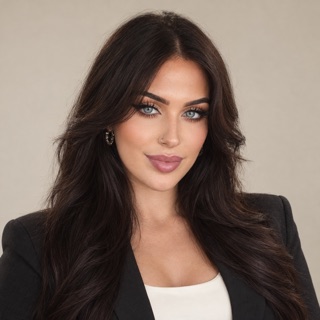
To get the most from Wellspent’s quarterly press placement, have three things ready before a story match comes: a one-paragraph statement of what you’re expert in, a recent high-resolution headshot at a link you can send, and two or three topics you can speak on at short notice. Matches are made from the specialties in your record, so your record needs to be current too. Reporters move fast, and in Muck Rack’s 2026 survey of 897 journalists, 58% said a pitch should come with interview access to a relevant source and 37% wanted high-resolution images with it.
How the press placement works
Each quarter we match members to stories with our media partners, by specialty and the editorial calendar. Coverage rotates, so not every member is matched every quarter, and the editor always decides whether a story runs and who is quoted. We don’t promise placements.
Your record in the public graph is what a matched reporter can check you against. It holds your facts as you entered them, with your registration verified:
- Your name, title, firm, city and the areas you serve
- Your credentials and education
- Your specialties and the audiences you work with
- Your ideal client, in your own words
- Your background (“How did you get here?”)
- Your fees, as numbers
- Your website, LinkedIn and, in the US, your SEC registration checked against your CRD
There’s no separate press form in the portal and no headshot upload. The record is the press kit, and the three things below fill the gaps it can’t.
Before anything else, check the specialties in your record. Pick the two or three you’d want to be quoted on, not everything you can handle. A match is only as good as the specialty it’s made from. How to complete your Wellspent record covers each field.
1. Your one-paragraph expertise
This is the paragraph a reporter can paste under your quote or use to introduce you. It isn’t your bio. A bio describes your practice for clients; this says what you can speak to, for a reporter. Keep it to about 60 to 80 words, in the third person, so it can be used as written.
A template, with brackets to replace:
[Full name], [credential], is a fee-only financial planner and founder of [Firm] in [City, State]. [He/She/They] works with [specific clients] on [two or three specific decisions]. Before [Firm], [Name] [one line of relevant background]. [He/She/They] can speak to [topic one], [topic two] and [topic three].
A filled-in version for an imaginary advisor:
[Full name], CFP®, is a fee-only financial planner and founder of [Firm] in [City, State]. She works with [teachers and school administrators] on [pension choices, 403(b) and 457 plans, and when they can afford to retire]. Before [Firm], she [taught high school math for twelve years]. She can speak to [teacher pensions], [retiring before Medicare] and [paying for a one-time financial plan].
What makes it work:
- Name, credential, firm and city in the first sentence, exactly as you want them printed. If you hold the CFP® mark, CFP Board’s rules say it goes in capitals with the ® symbol, directly after your name.
- “Fee-only” if it’s true. It’s a fact a reporter can check and readers understand.
- Specific clients and decisions. “Teachers deciding on pension options” tells a reporter which stories you fit. “Families pursuing their goals” doesn’t.
- No superlatives. “Award-winning” and “leading” get cut, and 71% of the journalists Muck Rack surveyed said they delete pitches that feel overly promotional.
Put the paragraph at the top of your website’s bio page as well, so a reporter who looks you up finds the same words. For the longer client-facing version, see Financial advisor bio examples that work in AI answers.
2. Your headshot
Have one ready a photo desk can use without asking twice:
- Recent. Taken in the last few years, and looking like you do now.
- High resolution. The original file from the photographer, not a crop from a group photo or a screenshot from your site.
- Simple. Head and shoulders, plain or softly blurred background, good light, no logos.
- Two crops if you can. One vertical, one horizontal, since layouts differ.
- Cleared for media use. Make sure your agreement with the photographer lets you give the photo to publications.
Your Wellspent record doesn’t carry a photo, so put the headshot on your own bio page at a link that doesn’t change, with a “download high-resolution photo” link next to it. Then the answer to “do you have a headshot?” is one link, sent in the same email as your quote.
3. Two or three topics, ready to answer
Reporters build source lists by topic. The advisor who answered well on Roth conversions becomes the person they email about Roth conversions. Pick two or three topics from your specialties, the ones you work on every week, and prepare each one:
- The question a reporter would ask, in a reader’s words: “Is a one-time financial plan worth paying for?”
- A two- or three-sentence answer that leads with the point and can be printed as written.
- One number with a source you can name. For example: “A one-time plan from a fee-only planner costs a median $2,000, according to the Wellspent fee report, and the middle half of firms that publish prices charge $845 to $3,600.”
- One real situation, with details changed, that shows the trade-off.
Keep these in a single document you can copy from. 69% of journalists prefer pitches under 200 words, in Muck Rack’s summary of eight years of its surveys, and a prepared answer is how you stay under that on a deadline. Only 14% wanted pre-written quotes, though, so treat these as notes to answer from, not a script to paste.
Before a match comes
A few practical things decide whether you can respond the same day:
- Pre-clear your standard material. If your firm reviews written answers, get your expertise paragraph and topic notes approved now, so only the new parts need review on a deadline.
- Know your availability. Reporters often want a call the same afternoon. Have a number you’ll answer.
- Keep your record and website in step. If your fees or specialties change, update both. A reporter who finds two different fees has a reason to pick another source.
- Answer only on your topics. A match outside your depth is better passed on than answered weakly.
How to write the answer itself, and what reporters do before they quote you, are covered in How to get quoted in Forbes, CNBC and Kiplinger and How journalists choose which advisors to quote.
After a story runs
Keep a copy of the article and a note of the reporter and what they cover; they’re the first people to contact when you have something new. If you want to show the mention on your website, the rules on how press appears under the SEC marketing rule are in Press for financial advisors: what a quote is really worth.
Where Wellspent fits
If you aren’t a member yet: quarterly press placement is part of Wellspent membership. Each quarter we match members to stories with our media partners by specialty, and your verified record in the public graph gives the reporter your fees, credentials and niche before they write back. Membership is $89 a month and also includes introductions from prospects with no lead fees and a monthly report on who AI assistants recommend. See How it works.